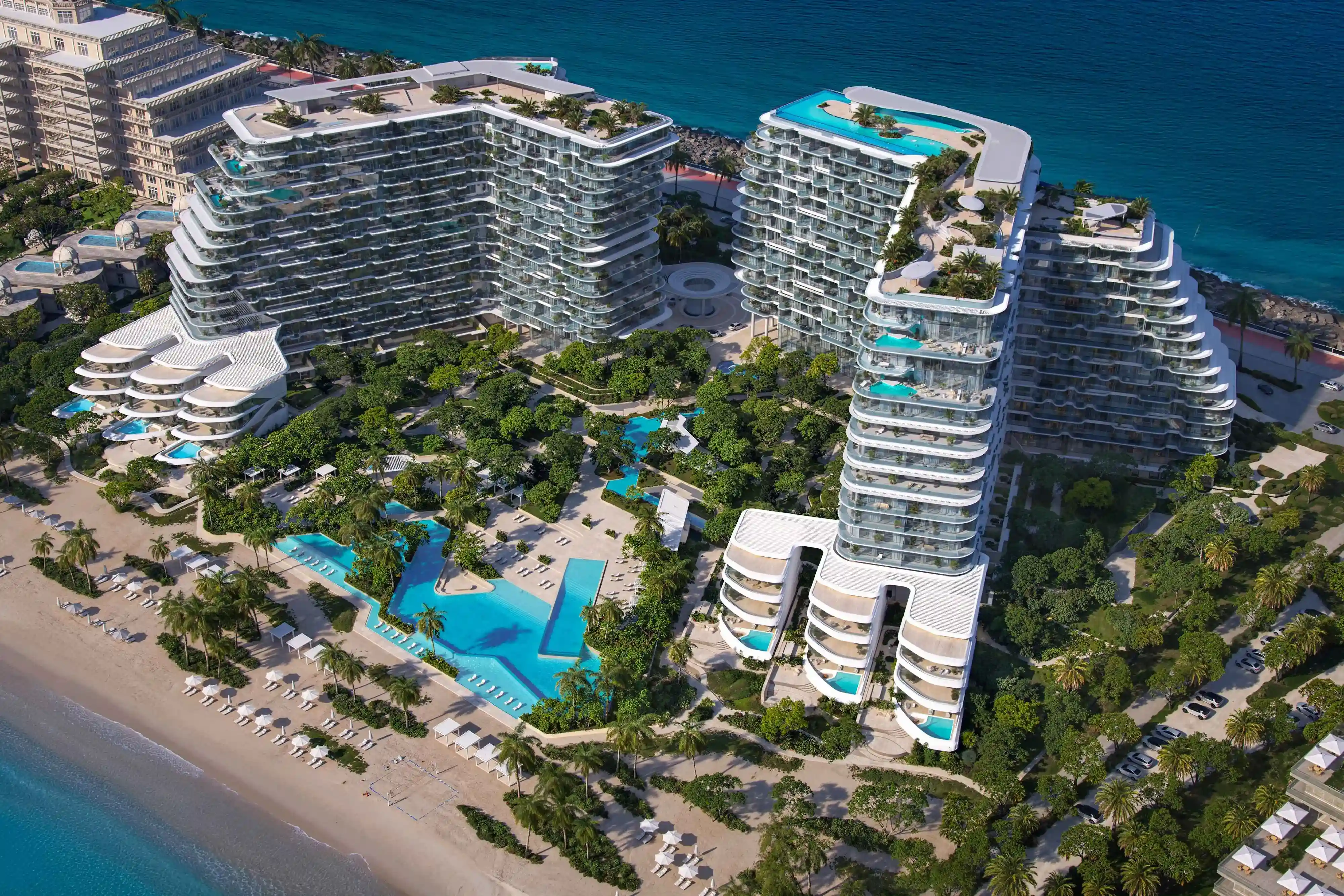
Dubaï vs Montreal
Dubai or Montreal for property? Montreal stays affordable, but the federal ban on non-resident purchases, rent taxed at both federal and provincial level and TAL rent regulation constrain the investor. Dubai: a market open to every passport, 0% local tax, 6-9% gross.
* Net rental yield observed in 2024-25 on our most in-demand layouts — sources DLD / Property Monitor.
For an international investor the match is decided at the door: Canada bans residential purchases by non-residents (federal act extended to 2027), while Dubai welcomes every passport in freehold. Even for a Canadian resident, Montreal (≈ C$4,500-5,500/m², average 2024-25 levels — APCIQ / Centris) offers 3-5% gross, taxed federally and provincially, with rent increases framed by the TAL — versus 6-9% gross and 0% local tax in Dubai.
- 2026 market — prime areas, new-build
- Compared tax schedules, 2026
- Our desk — property by property
Dubai vs Montreal — the numbers
Indicative ranges (prime, new-build) — 2026 market sources, refine per property.
Who compares Montreal to Dubai — and why.
Dubai-Montreal speaks to two profiles: the international investor, to whom the Canadian market is currently closed by the federal non-Canadian purchase ban; and the Québec investor, who stacks transfer duties (the "welcome tax"), rent taxed at federal + provincial rates, capital gains 50% taxable and rent increases framed by the housing tribunal (TAL). In Dubai, the same capital enters freely, collects 6-9% gross with no local tax and sets the first-letting rent freely, with a transparent RERA index thereafter.
Against Montreal, five gaps the market data confirms.
Beyond the table, here's what tips the balance towards Dubai rather than Montreal — tax, yield, security and liquidity.
tax on rental income
No rental income tax, no property tax, no capital gains tax. Your rent is 100% net.
net yield
Two to three times the yields of major European capitals, on liquid and sought-after areas.
Golden Visa
From AED 2M invested (≈ €510K), you gain UAE residency, renewable every 10 years.
 AED–USD
Dirham pegged to the dollar
The AED has been pegged to the USD since 1997: no currency risk against a safe-haven currency.
 +60% / 5 yrs
A deep, liquid — and growing — market
Tens of thousands of transactions a year, rental demand fuelled by a growing population — and a median price up 60% over 5 years per Dubai Land Department data.

Dubai wins clearly: Canada closes its residential market to non-residents while Dubai opens it to every passport, and even for a Canadian resident, 6-9% gross with no local tax beats 3-5% taxed federally and provincially with capped increases. Montreal keeps a gentle entry price and a stable North-American market — but as an income machine, Dubai has no rival in this duel.
They invested remotely.
Investors who bought without travelling, guided from the first brochure to the first tenant.
“Everything was handled remotely, stress-free. Great follow-up.”
“Serious team, responsive on WhatsApp. Delivered as promised.”
“Transparent about the figures. I recommend them.”
From Montreal, selection to letting with a single point of contact.
Curated selection
We filter the market and only present a handful of properties that hold up — developer, location, payment plan, rental potential.
Negotiation at no extra cost
We negotiate price, terms and discounts directly with the developer. We're paid by them, not by you.
Reservation & DLD
Reservation, contract, staged payment and registration with the Dubai Land Department — every step secured and explained.
Post-acquisition & letting
Handover, furnishing, letting and management: we stay your point of contact after signing.
Our top 3 right now.
Verified off-plan: RERA-registered developer, escrow-protected funds, negotiated payment plans.

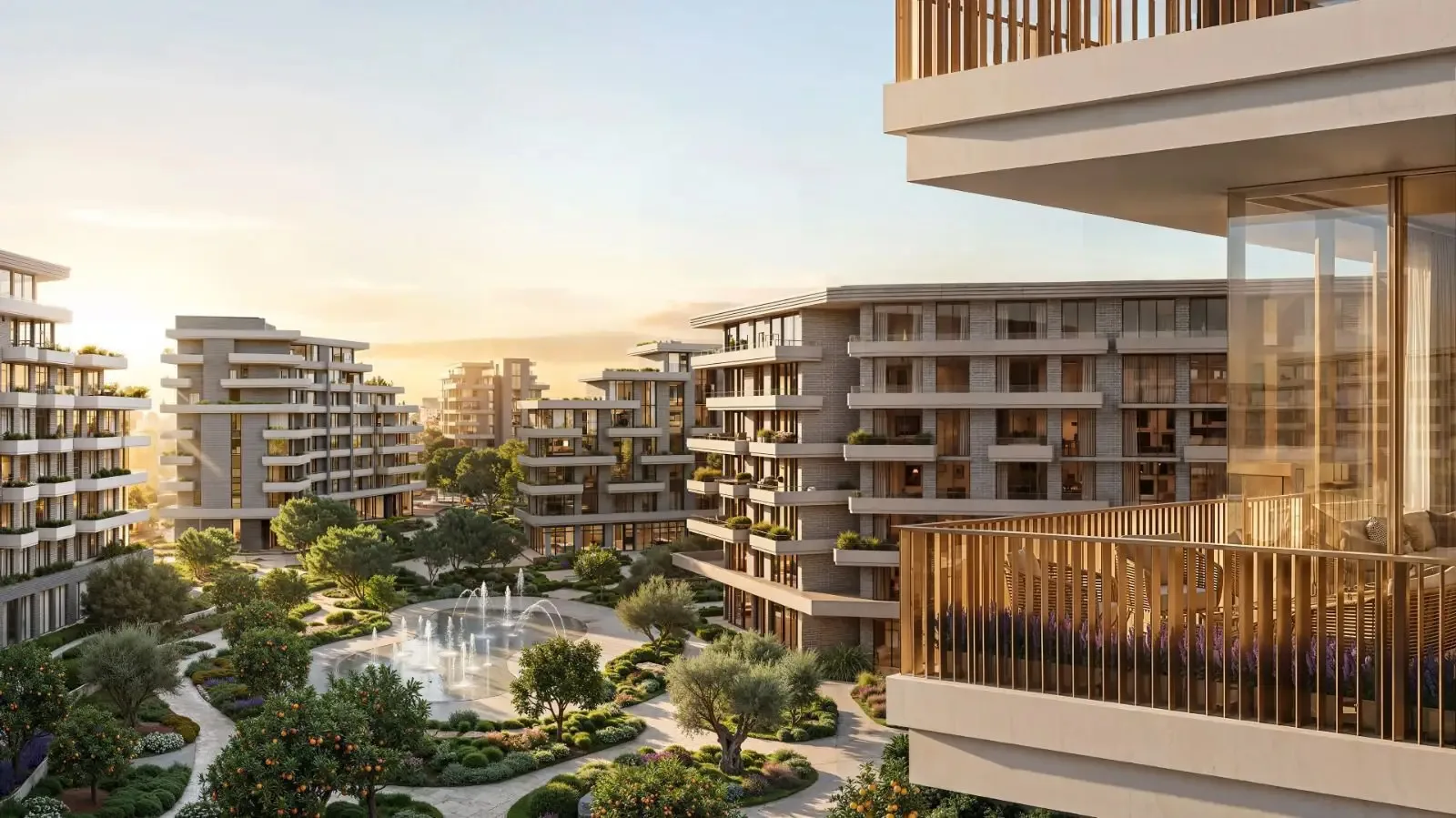


Dubai doesn't win by chance — it wins on the numbers.
Tax, net yield, legal security and liquidity: on every criterion that matters to an investor, the gap is measurable.
Buying from Montreal: a regulated framework, end to end.
DLD escrow accounts
For off-plan, your payments sit in an escrow account regulated by the Dubai Land Department.
Developers with a solid track record
We work with established developers who deliver — Emaar, Sobha, Nakheel, Meraas and other market references.
France-UAE tax treaty
A treaty prevents double taxation: your UAE rental income is not taxed again in France.
An advisor in your language
French- and English-speaking advisors, based in Dubai and reachable in your time zone, from the first conversation through to letting.
Frequently asked questions
Still comparing Montreal and Dubai? Ask our team on WhatsApp — answered in under 5 minutes during the day.