Key takeaways
- Sixth Street (over $100B AUM) opened its ADGM office in July 2026 — the fifth top-tier global manager to land there that year, after Man Group, Capital Group, Hillhouse and Rokos.
- This concentration is unprecedented: five institutional heavyweights in a single year, in a hub that had roughly 130 registered asset managers at the start of 2026, versus more than 6,900 firms at Dubai's DIFC.
- Direct rental impact: Al Maryah Island, Al Reem Island and Saadiyat Island are absorbing premium demand from high-earning financial expats, with observed gross yields of 6–7% across these zones in 2026.
- Prime ADGM office demand is tightening, with a knock-on valuation effect on adjacent commercial assets.
- For the international investor: the Dubai vs Abu Dhabi allocation deserves close attention. Dubai remains the most liquid and mature market (DIFC), while Abu Dhabi offers an early-mover position with competitive yields. The 2026 data tilts clearly toward Abu Dhabi for investors seeking to capture value appreciation driven by this institutional influx.
What does Sixth Street's arrival at ADGM actually change?
Sixth Street, managing over $100 billion in assets, opened an office at the Abu Dhabi Global Market in July 2026. The firm covers private credit, growth equity and infrastructure from its San Francisco base.
The office will be run by a dedicated Middle East team. Its mandate: source regional deals and serve major sovereign LPs — ADIA, Mubadala and ADQ foremost among them. For Sixth Street, ADGM is not a symbolic foothold. It is a direct access point to the most concentrated pools of capital in the Gulf.
The timing is no coincidence. In 2026, Man Group, Capital Group, Hillhouse and Rokos each opened an ADGM office. Sixth Street is the fifth global manager to do so in the same year.
Man Group, Capital Group, Hillhouse, Rokos and Sixth Street all joined ADGM in 2026 — an unprecedented concentration of top-tier managers in a single year.
According to public data from the Abu Dhabi Global Market, the register now exceeds 130 registered asset managers — a doubling in twenty-four months. That figure is still modest against DIFC's 6,900 firms, but the pace of acceleration is unlike anything Abu Dhabi's financial centre has seen before.
130+Registered asset managers at ADGM · ADGM Public Register 2026Why is ADGM attracting every major manager in 2026?
Five top-tier global managers set up in Abu Dhabi in the same year. That is not coincidence — it is the convergence of several structural drivers.
A world-class legal and regulatory framework
ADGM operates under English common law with an independent regulator, the FSRA, modelled on London and Singapore standards. Funds can incorporate internationally recognised SPV structures. For a US manager like Sixth Street, it is a Middle East entry point that requires no compromise on legal certainty.
Direct access to the world's largest sovereign capital pool
Physical proximity to ADIA, Mubadala and ADQ — whose combined assets exceed $1.3 trillion — is an argument no other free zone can replicate. Setting up at ADGM means sitting next to your largest potential LPs.
Competitive tax and setup costs
0%Corporate tax in ADGM free zone (qualifying activities) · ADGM / UAE MoF 2026Capital gains also remain at 0%, and the tax incentives are extended through 2028. Setup costs remain lower than at Dubai's DIFC, where more than 6,900 firms are already registered — making competition for talent and deals more intense.
Macro stability as a decisive factor
The USD-pegged AED eliminates currency risk for dollar-denominated funds. In a 2026 macro environment marked by rate volatility and emerging-market currency swings, that stability is rare — and it weighs heavily in allocation decisions.
What is the impact on Abu Dhabi real estate?
Every global manager that opens at ADGM does not just move a logo on a map. It brings 20 to 80 expatriate executives, with estimated compensation packages of $200,000 to $500,000 annually. Five major firms in a single year translates to potentially 100 to 400 new high-purchasing-power households hunting for prime housing in Abu Dhabi.
6–7%Average gross yields — Al Maryah & Al Reem · REIDIN / market Q2 2026Demand is concentrating within a tight perimeter. That mechanically pushes both prices and rents higher in the zones immediately adjacent to ADGM.
Zones to watch
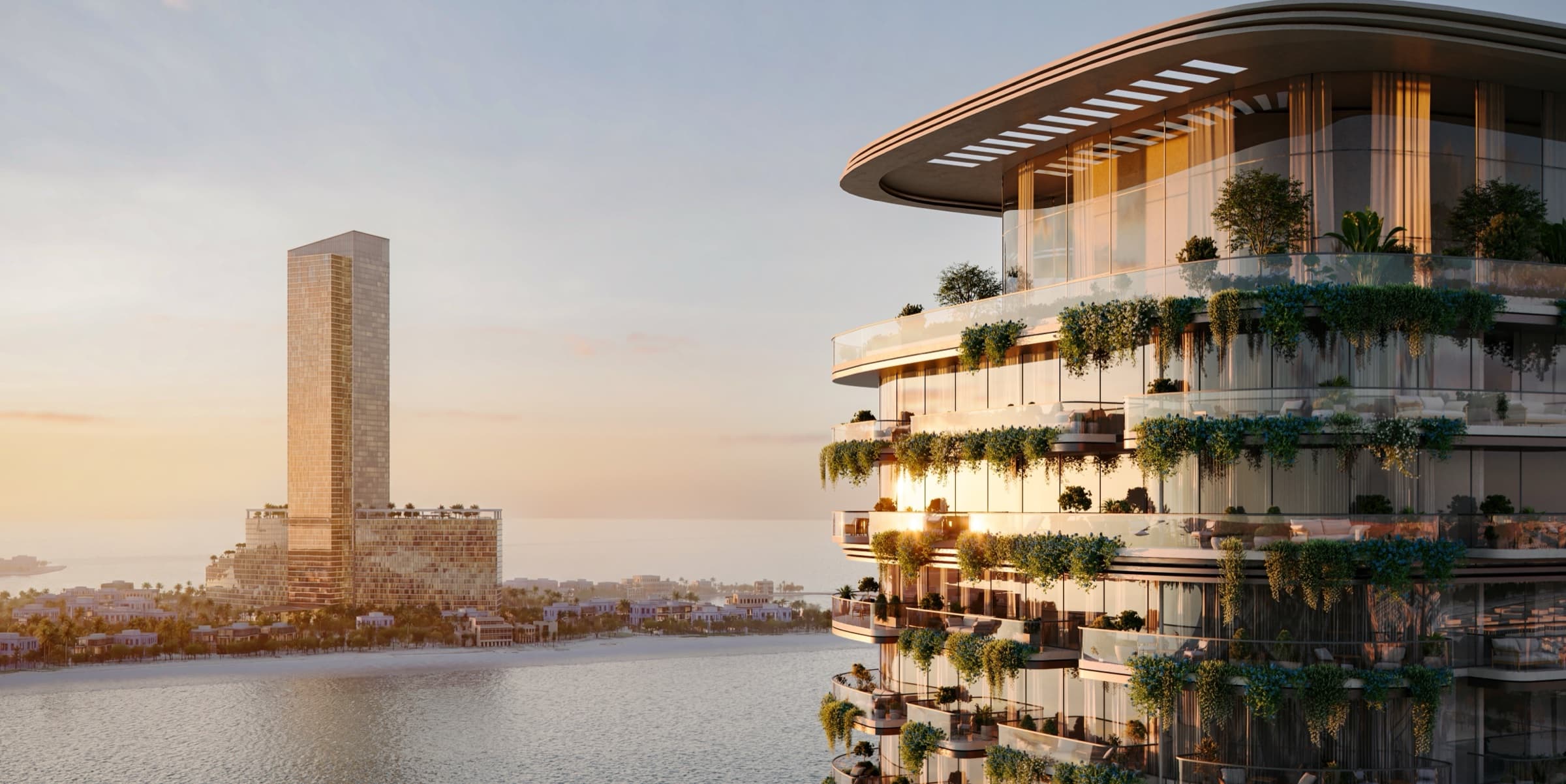
Al Maryah Island is the financial hub's historic residential core. Residential occupancy already exceeds 92%, leaving little buffer to absorb additional demand — which structurally supports rents on the upside.
Al Reem Island is the natural overflow. Reem Hills and the Makers District feed a premium residential pipeline for 2026–2028 that targets exactly this tenant profile. New supply is available and delivery timelines align with the ramp-up of ADGM headcount.
Saadiyat Island targets the C-suite segment. With the Guggenheim scheduled to open in 2026 and the Louvre Abu Dhabi already open, the island positions Abu Dhabi as the Gulf's cultural capital — a genuine draw for portfolio managers and directors who prioritise quality of life, not just yield.
On the office side, prime ADGM rents are estimated up 15–20% over twelve months by market observers, driven by the scarcity of Class A space within the perimeter. The residential market naturally follows the same curve, with a two-to-four quarter lag.
Is Abu Dhabi replacing Dubai as a financial hub?
No. The two markets play complementary roles — and Dubai remains the core of any portfolio.
Abu Dhabi serves a specific function: sovereign proximity, sovereign fund management mandates, low-turnover regional headquarters. ADGM attracts managers who want a discreet institutional anchor. Dubai offers the operational and commercial depth that no other regional hub can match.
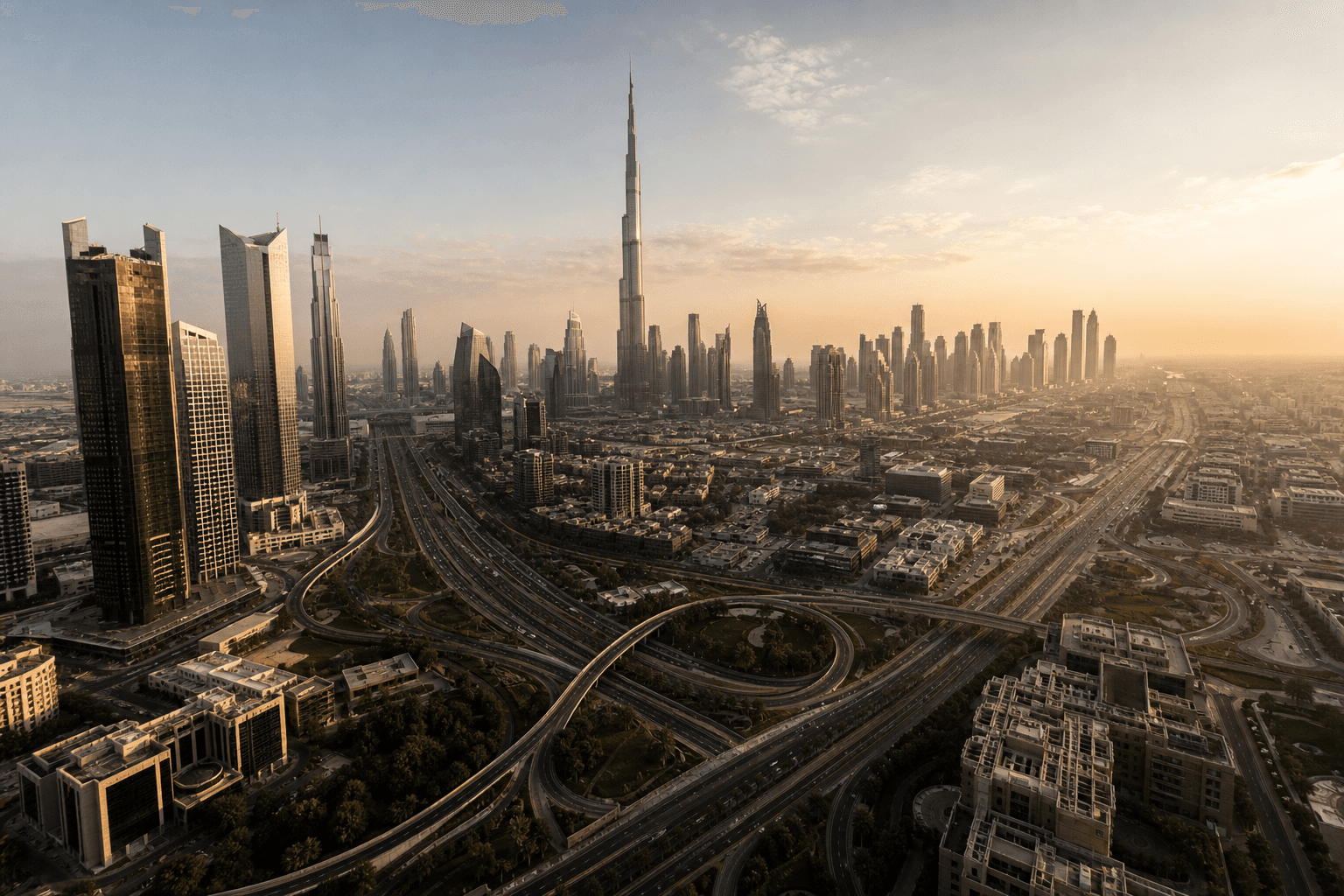
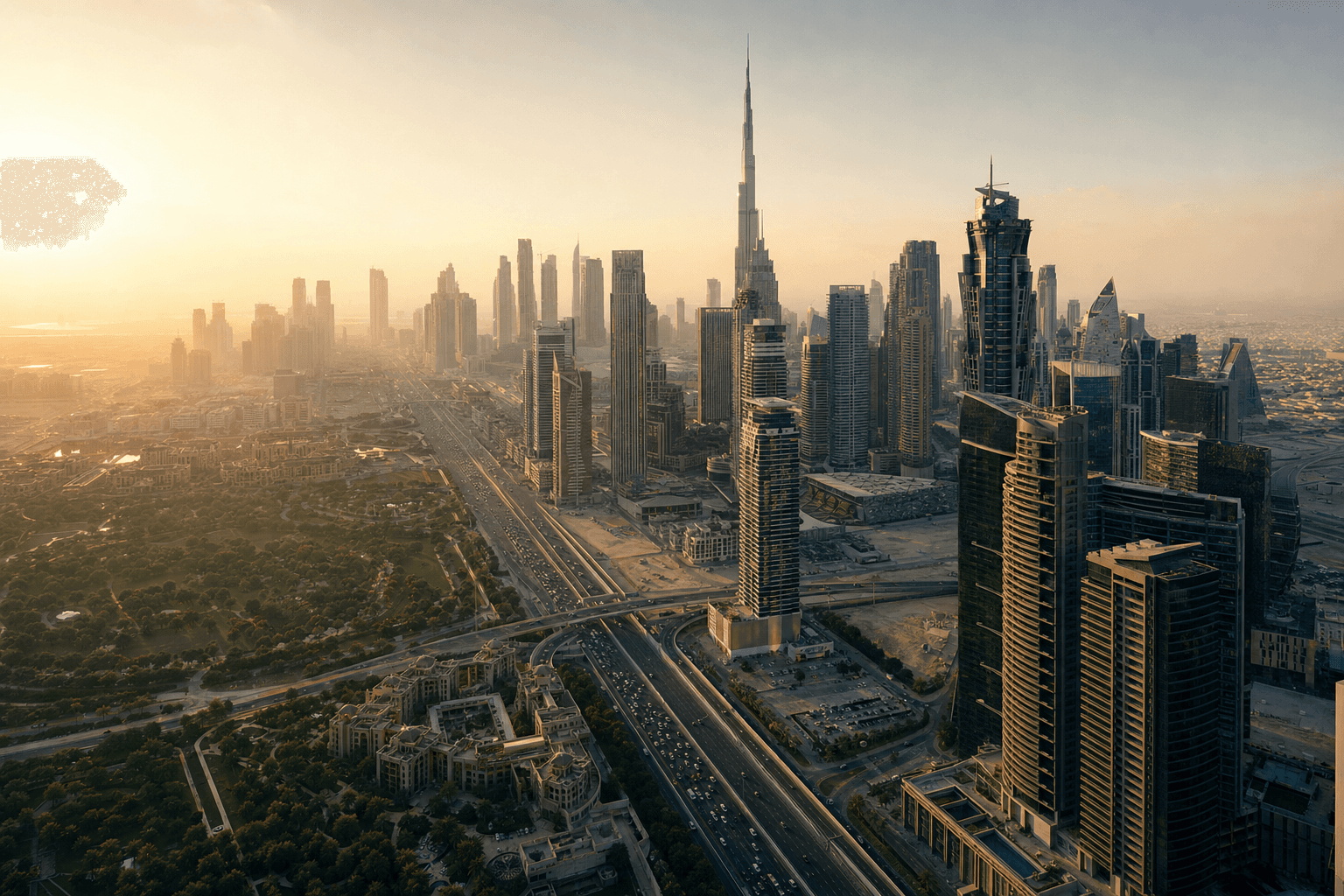
Dubai's DIFC had more than 6,900 registered companies at end-2025, versus roughly 130 asset managers at ADGM — an ecosystem ten times denser.
Market depth and rental liquidity
Dubai has 3.7 million residents, 100+ active nationalities, and high tenant turnover. That critical mass generates resale liquidity. Abu Dhabi remains a tighter market, structurally less liquid for an investor planning an exit within five years.
5–8%Average gross yields Dubai 2026 · REIDIN / DLD Q2 2026Abu Dhabi delivers 6–7% gross on Al Maryah and Al Reem — a comparable range. The yield spread is marginal. The real difference is resale liquidity: Dubai generates a transaction volume publicly tracked by the DLD that Abu Dhabi has not yet reached.
The right strategic framing
A sophisticated investor positions Dubai as the portfolio core — yield, liquidity, tenant base — and Abu Dhabi as a tactical satellite when sovereign flow exposure is the objective. This is not a contest. It is an allocation.
What should the international investor do now?
The ADGM signal is clear. Five global managers set up in Abu Dhabi in 2026. Demand for quality residential assets will follow the headcount. The window to enter before yield compression closes is open — but not indefinitely.
Portfolio core: Dubai Marina, Business Bay, Downtown, Palm Jumeirah
Dubai is the foundation. These four zones combine the deepest liquidity in the Emirates, resale timelines measured in weeks, and documented gross yields of 5–8% according to the Dubai Land Department. They are the performance engine of the portfolio.
5–8%Gross yield — prime Dubai zones · DLD / REIDIN Q2 2026Tactical Abu Dhabi allocation: 15–25% of portfolio
Al Maryah and Al Reem directly absorb the financial expat influx tied to ADGM. Gross yields currently stand at 6–7%. That differential erodes as institutional demand consolidates. Sizing this allocation at 15–25% of the overall portfolio is the tactical read consistent with this cycle.
Structure and timing
For multi-asset ownership, an ADGM SPV or DIFC company simplifies succession, strengthens confidentiality and eases intergenerational transfer — whether you are based in France, Belgium, Canada or the US. The regulatory framework in both free zones is well established.
On timing: every additional quarter of financial expat inflows mechanically compresses yields on Al Maryah. The Dubai/Abu Dhabi allocation is structured deal by deal — that is precisely what we frame for our clients through our projects and our advisory services, working directly with developer partners.
Further reading
Three complementary reads from the Level8 journal:
- Creek Tower Dubai: investor guide 2026 — Creek Tower in Dubai: construction progress in 2026, price per sqm at Creek Harbour, rental yields and buying strategies for international investors.
- Damac Hills Dubai: investor guide 2026 — Damac Hills in Dubai in 2026: price per sqm, rental yields, villas and apartments, DLD capital gains and investment angles to know.
- Danube Properties Dubai 2026: developer guide, yields and 1% payment plan — 2026 guide to Danube Properties Dubai: portfolio, observed gross yields, 1%-per-month payment plan and positioning against other developers.