Key takeaways
- On 20 August 2026, Uber launched fully driverless Baidu Apollo Go robotaxis in Dubai — a world first. No other city yet operates a multi-partner autonomous network (Apollo Go, WeRide, Pony.ai) inside a single app.
- Launch zones are Jumeirah and Umm Suqeim, with confirmed expansion to DIFC and Business Bay. La Mer and Palm Jumeirah are part of the initial coverage area.
- RT6 vehicles are available via UberX, Uber Comfort, and a dedicated "Autonomous" option, operated locally by New Horizon Luxury Transport.
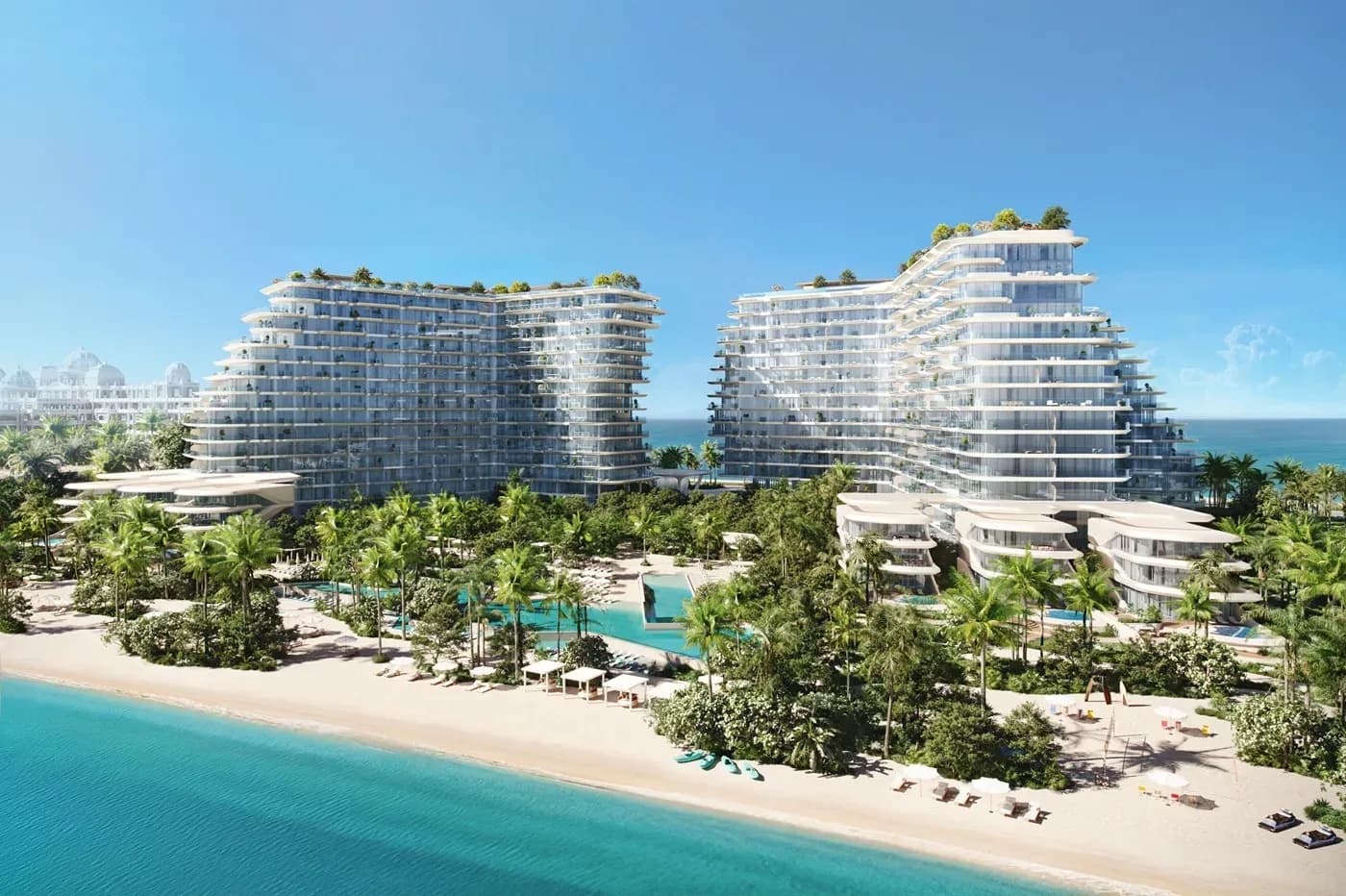
- The investment signal is immediate. Covered neighbourhoods gain rental appeal. Driverless accessibility acts as a demand multiplier for residences without premium parking — a key criterion for assets like Solaya at La Mer or Passo at Palm Jumeirah.
- The RTA targets 25% of urban trips in autonomous mode by 2030 (Dubai Self-Driving Transport Strategy). Dubai is not experimenting — it is industrialising.
What exactly happened on 20 August 2026?
On 20 August 2026, Uber published an official statement confirming the commercial launch of Baidu Apollo Go RT6 vehicles on its Dubai network. These vehicles operate without a driver or any on-board supervisor. This is an operational world first — not an experimental pilot.
What sets Dubai apart: Uber integrates multiple autonomous partners inside a single app — Baidu Apollo Go, WeRide and Pony.ai coexist in the same booking flow. No other city in the world offers this multi-operator architecture today.
Operator, oversight, zones
The fleet is operated locally by New Horizon Luxury Transport, under direct supervision of the Roads and Transport Authority. The RTA validates authorised corridors and sets safety protocols.
Jumeirah & Umm SuqeimLaunch zones · Uber Investor Relations, 20 August 2026The first active corridors cover La Mer and Palm Jumeirah. DIFC and Business Bay are confirmed as the next extension — two zones with high concentrations of expat professionals and institutional investors.
Users book via UberX, Uber Comfort, or an explicit "Autonomous" option in the app. No premium pricing was announced at launch.
Why Dubai before San Francisco or Shanghai?
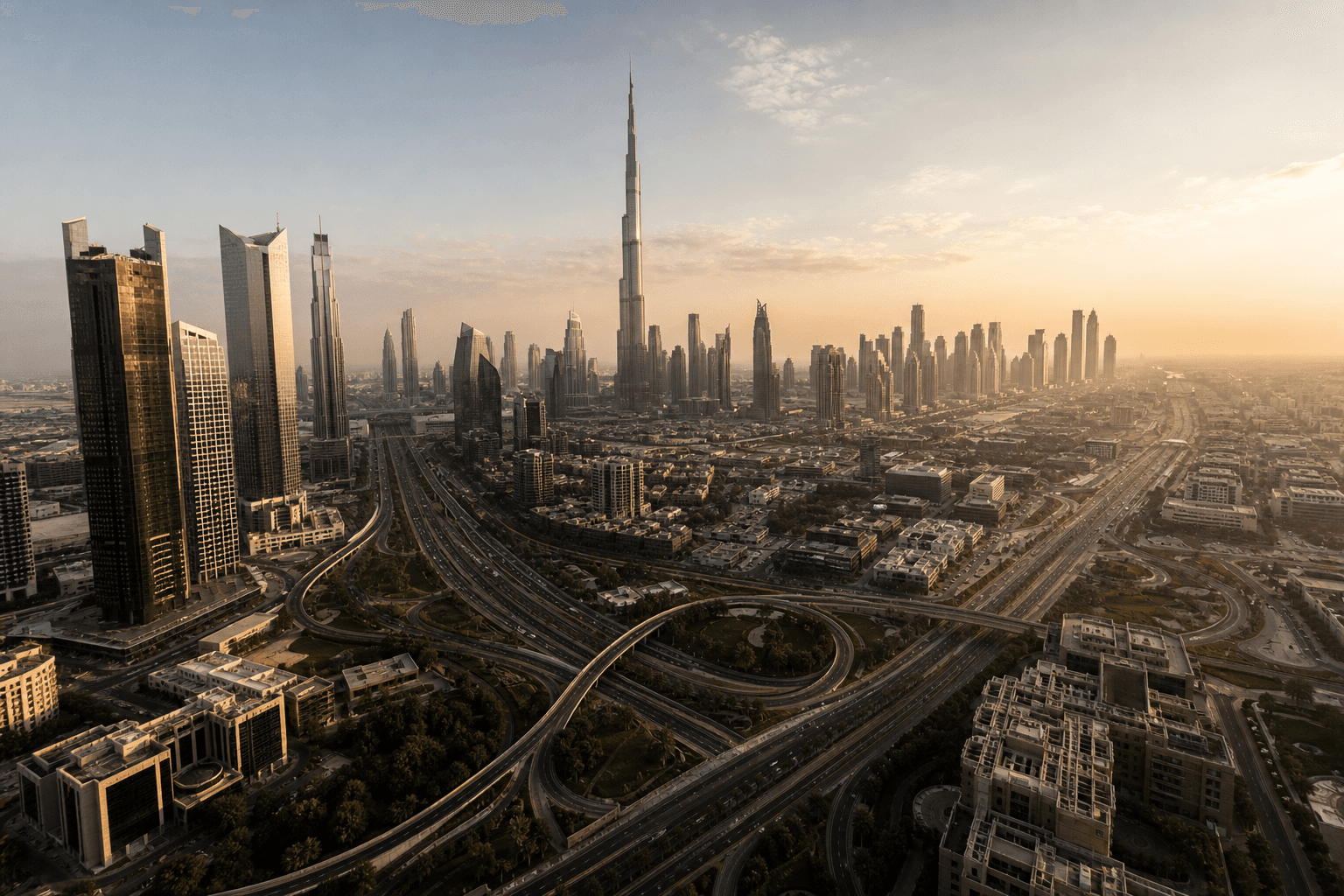
Dubai did not claim this world first by chance. Three structural advantages converged at once, while other major cities remain blocked by regulatory or technical hurdles.
The first is the official roadmap. The RTA has embedded a binding, quantified target into national strategy.
Dubai's RTA targets 25% of urban trips completed in autonomous mode by 2030. This ambition is written into the Dubai Self-Driving Transport Strategy — a government roadmap, not a statement of intent.
The second is regulatory speed. In the US, every state and every city requires its own permit. In China, licences vary from Beijing to Guangzhou. In Dubai, a unified framework covers the entire emirate: one authority, the RTA, one point of contact.
The third is physical infrastructure. Roads are new, HD mapping was deployed in advance, and Dubai's sunny climate reduces the sensor blind spots that rain or snow create elsewhere — a direct advantage for LiDAR accuracy.
This combination sends a clear signal to tech groups and HNWIs choosing a regional headquarters. Dubai is a favourably regulated sandbox, not a legacy city weighed down by outdated rules. Following the Wynn Al Marjan Island project in 2027, autonomous mobility becomes the emirate's second major image milestone in 2026 — further strengthening the appeal of the DIFC–Business Bay corridor, home to assets such as Peninsula Four, The Plaza and The EDGE.
25% by 2030Dubai autonomous trips target · Dubai Self-Driving Transport Strategy, u.aeWhat is the concrete impact on property prices in covered zones?
The arrival of autonomous mobility infrastructure is not a tech novelty. It changes the rental calculus and the location premium — exactly as the Red Line metro did in 2009.
The metro precedent: +15% to +25% at direct stations
Dubai Land Department data shows that between 2009 and 2012, neighbourhoods directly served by the Red Line recorded estimated appreciation of +15% to +25% versus unconnected zones. This gap first appeared in off-plan pricing before spreading to the secondary market.
+15% to +25%Historical appreciation near Red Line metro stations (2009–2012) · DLD / market analysesRobotaxis produce a comparable effect, but a more targeted one. They do not create a linear corridor — they intensify the appeal of already-premium zones.
Jumeirah, Umm Suqeim, La Mer, Palm Jumeirah
These coastal neighbourhoods concentrate expat rental demand that values car-free access. An apartment at La Mer — or a villa in Umm Suqeim — becomes more liquid on the rental market when a tenant can reach DIFC by robotaxi in under fifteen minutes.
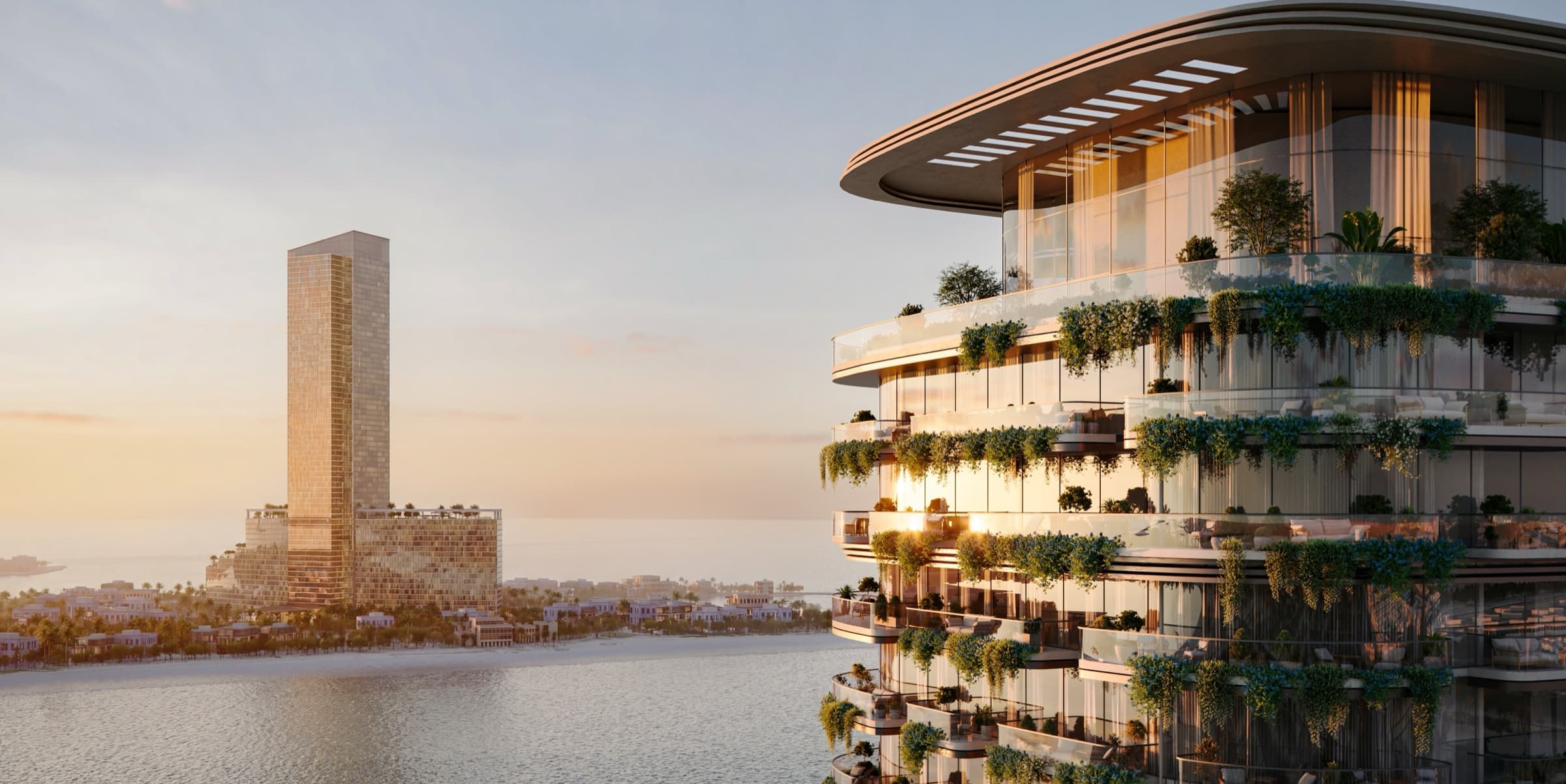
Solaya, positioned directly at La Mer, illustrates the point. The "autonomous connectivity" argument is now part of the product pitch, even before the network expands further.
DIFC and Business Bay: capturing the premium ahead of expansion
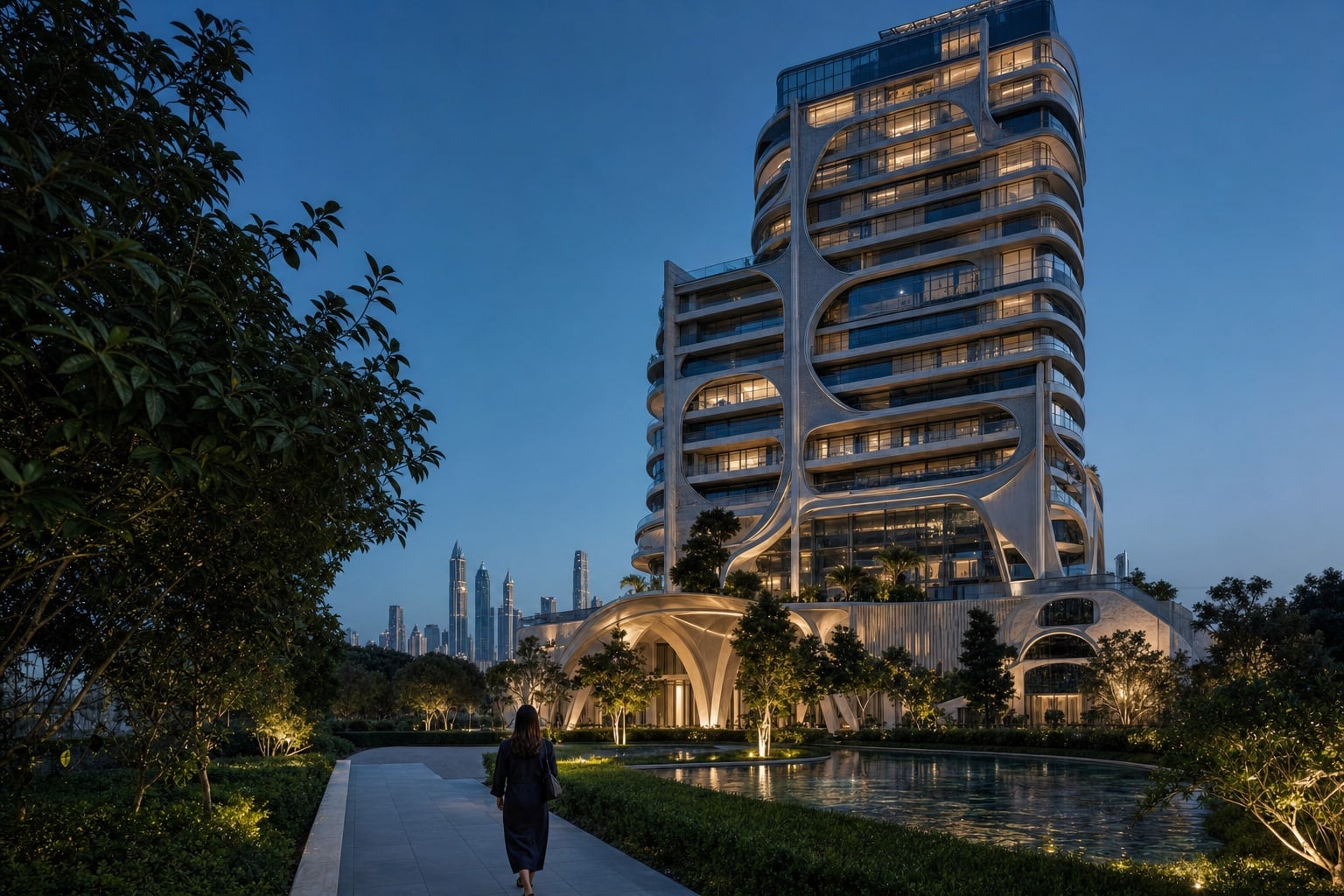
The extension to DIFC and Business Bay is not yet operational, but it is confirmed. Premium residential assets such as The Residences by DIFC and Peninsula Four, The Plaza already factor this into their forward valuations.
For the off-plan investor sourcing assets across 2026–2028, autonomous coverage becomes a standalone selection filter — on par with metro proximity or sea views. This is precisely the type of criterion we apply when sourcing projects for our clients through our projects page.
What this means for your investment strategy
The autonomous network rollout does not reshape Dubai's map uniformly. It creates winning micro-locations: Jumeirah, Umm Suqeim, DIFC and Business Bay now hold a mobility advantage that peripheral zones do not yet have.
Prioritise covered zones in off-plan
In 2026, buying on the future autonomous grid means betting on infrastructure that is already live — not on a promise. Solaya at La Mer Jumeirah, The Residences by DIFC and Peninsula Four, The Plaza in Business Bay sit precisely within the network's launch or immediate expansion zones.
25% of tripsRTA 2030 autonomous target · Dubai Self-Driving Transport Strategy, u.aeRecalculate net yield
Car-free living is now a concrete rental argument. A tenant saving AED 800 to AED 1,200 per month on mobility can absorb a slightly higher rent. Build this elasticity into your figures using the net yield calculator before committing.
The "city of the future" story at resale
For a buyer based in France, Belgium, Switzerland, Canada or Israel, the symbolic dimension matters. Dubai is now the first city in the world to operate a multi-partner autonomous network. That narrative strengthens perceived value at resale, beyond the raw numbers.
This is exactly the kind of micro-location arbitrage we structure project by project. For those holding an asset outside the covered zones, a discreet repositioning remains possible via Sell in 48h — no commission, no viewings.
Key milestones to watch
The 20 August 2026 launch is only the starting point. Several concrete milestones will shape the trajectory over the next eighteen months.
Geographic expansion and fleet scale-up
The next priority zones announced are DIFC and Business Bay, following the initial opening across Jumeirah and Umm Suqeim.
RT6 fleet growth is estimated at several hundred vehicles by end-2026, based on New Horizon Luxury Transport's operational projections. DIFC already concentrates a high density of international executives. Business Bay will benefit directly from this network — notably for projects such as Peninsula Four, The Plaza and The EDGE, whose target residents are precisely the premium mobility users.
RTA 2030 target and compounding effects
25%Share of autonomous trips targeted by 2030 · Dubai Self-Driving Transport Strategy, u.aeThis target structures public infrastructure investment through 2030. Two additional catalysts amplify the thesis. The opening of the Wynn Al Marjan Resort in 2027 will generate unprecedented tourist flows toward Ras Al Khaimah. The phased launch of Etihad Rail passenger service is reshaping accessibility across the emirate's south-west.
Each milestone reinforces the same fundamental: 0% tax on rental income and capital gains, gross yields of 5–8%, in a city that stacks attractiveness signals methodically. This is precisely the infrastructure-meets-image convergence we analyse for our clients through our advisory services.
Further reading
Three related pieces from the Level8 journal:
- Etihad Rail Al Yalayis: the station reshaping south Dubai — The Etihad Rail Al Yalayis station opens 30 September 2026, two months ahead of schedule. What it changes for investors in Dubai's south-west.
- Lulu Island Abu Dhabi: Eagle Hills awakens 400 dormant hectares — Eagle Hills launches development of Lulu Island, 400 ha facing Abu Dhabi's Corniche. What it means for investors in 2026.
- Abu Dhabi Livability by Design: the new mandatory filter for master plans — Abu Dhabi makes a liveability quality filter mandatory across its master plans. Direct impact on off-plan values and premium rental yields.
FAQ
How does Uber's robotaxi launch in Dubai affect rents in Jumeirah and La Mer?
Driverless accessibility reduces dependence on a personal vehicle, widening the pool of eligible tenants for residences without premium parking. The Red Line metro precedent (2009–2012) points to estimated appreciation of +15% to +25% in directly served zones versus unconnected neighbourhoods, based on Dubai Land Department data.
Which Dubai zones are already covered by Apollo Go, and which will be added?
At the 20 August 2026 launch, active corridors cover Jumeirah, Umm Suqeim, La Mer and Palm Jumeirah. DIFC and Business Bay are announced as the next expansion, according to the official Uber Investor Relations statement of 20 August 2026.
What taxes apply to rental income generated in robotaxi-served neighbourhoods?
Dubai applies a 0% rate on rental income and capital gains for both residents and non-residents. French investors remain subject to declaration in France, but the France–UAE tax treaty eliminates double taxation on UAE-source income. Belgian, Swiss and Canadian investors should verify their own applicable treaty.
Does buying an off-plan project at La Mer or Palm Jumeirah qualify for the Golden Visa?
Yes. A real estate purchase with a minimum value of AED 2 million (approximately EUR 500,000) grants access to the 10-year UAE Golden Visa. Off-plan projects are eligible as long as the amount paid reaches this threshold, including via an instalment payment plan.
What gross rental yield can be expected in robotaxi-served neighbourhoods in 2026?
Coastal neighbourhoods such as La Mer and Palm Jumeirah show observed gross rental yields of 5% to 7% depending on unit type, based on REIDIN and DLD 2026 data. Autonomous mobility is a demand-side support factor, but does not alone guarantee an immediate yield uplift.
How does the RTA's autonomous strategy translate into a concrete timeline for investors?
The Dubai Self-Driving Transport Strategy sets an official target of 25% of urban trips in autonomous mode by 2030. The commercial launch of Apollo Go in August 2026 is the first operational step of this government roadmap, reducing execution risk for investors anticipating corridor expansion by 2028.