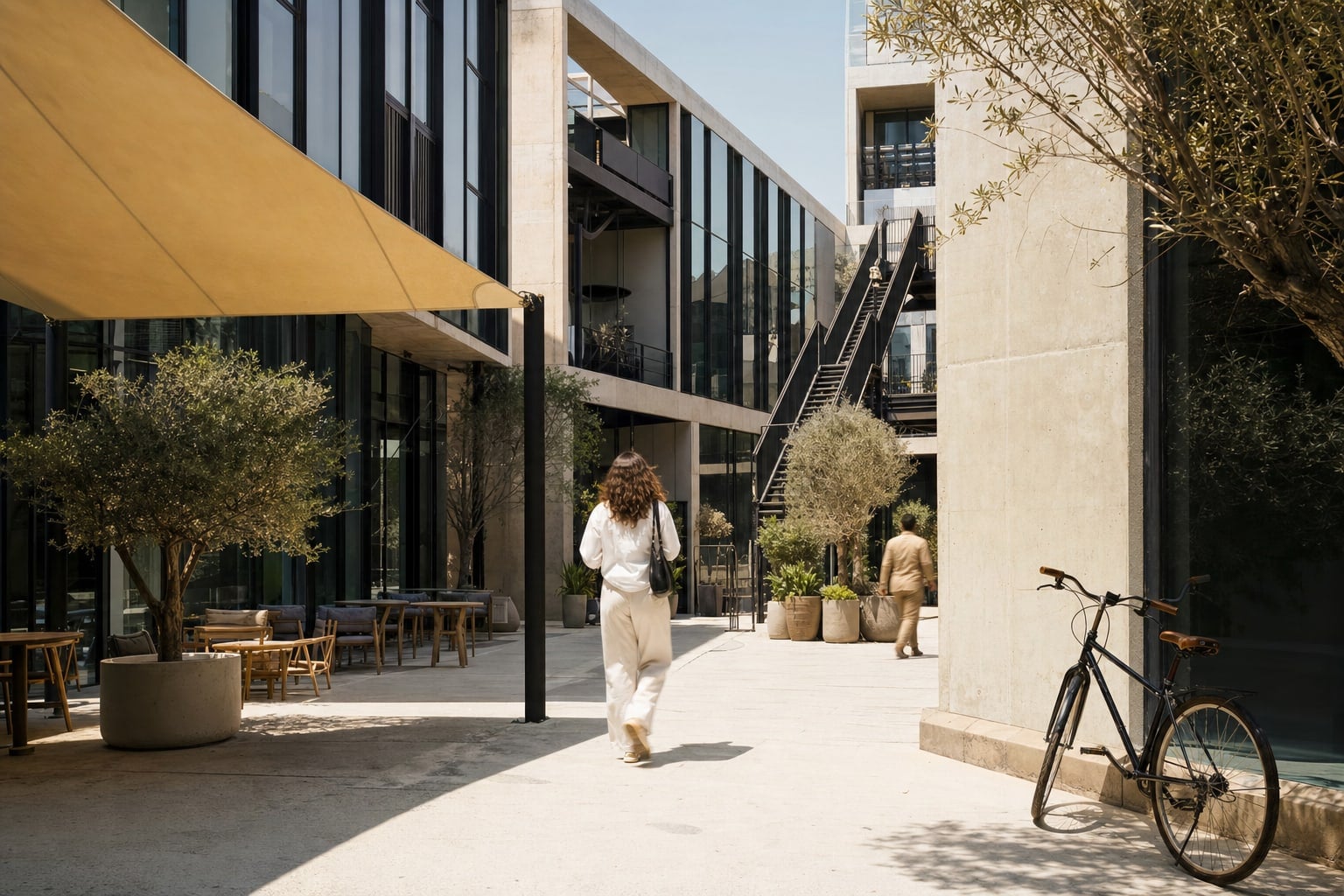
Key takeaways
- Dubai Design District (d3) is a TECOM free zone dedicated to creative industries — fashion, architecture, art — bordered by the Dubai Canal and Business Bay, with a residential master plan actively taking shape in 2025–2026.
- Off-plan prices in 2026: AED 28,000–38,000/sqm at d3, versus AED 32,000–45,000/sqm in Business Bay and AED 45,000–70,000/sqm at DIFC — a 15–25% gap in d3's favour on new builds (source: DLD / REIDIN 2026).
- Estimated gross yields: 6–7% on long-term rentals for well-positioned studios and 1BRs; 8–10% on short-term rentals under a DTCM licence, with observed ADRs of AED 700–1,100 in peak season and occupancy rates of 70–80%.
- Target tenant profile: expats from creative industries — fashion, tech and architecture professionals, and staff at regional HQs of luxury brands already based at d3.
- One programme listed in the Level8 catalogue for this area: The Edit at d3 — to be assessed based on your holding horizon and chosen rental strategy.
- An investment of AED 2M qualifies for the 10-year Golden Visa — a value lever unique to the UAE, unavailable in comparable European markets.
What Is Dubai Design District (d3) in 2026?
Dubai Design District — known as d3 — is a free zone operated by TECOM Group, launched in 2013. Its founding purpose: to house the design, fashion, art and architecture industries within a dedicated regulatory environment.
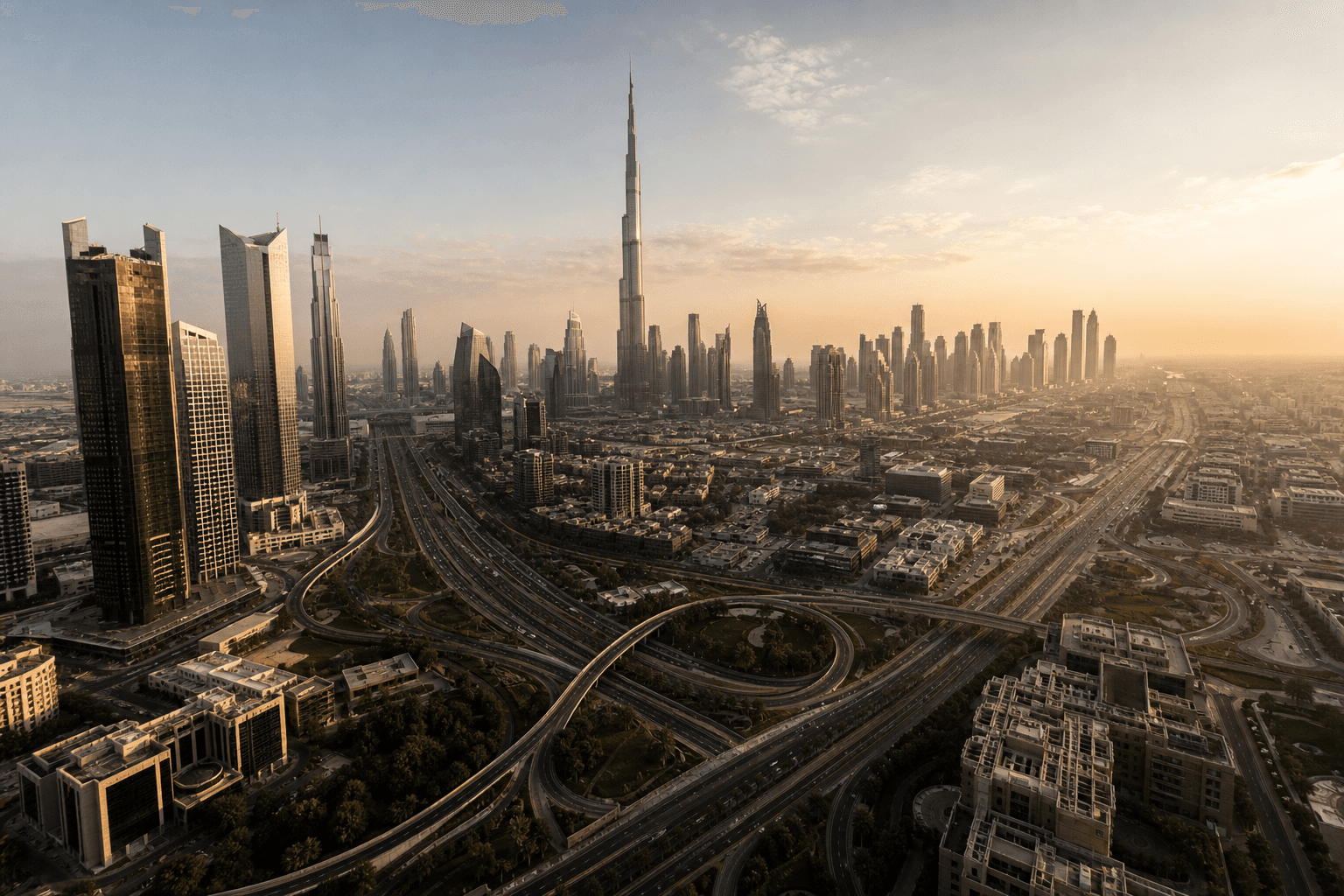
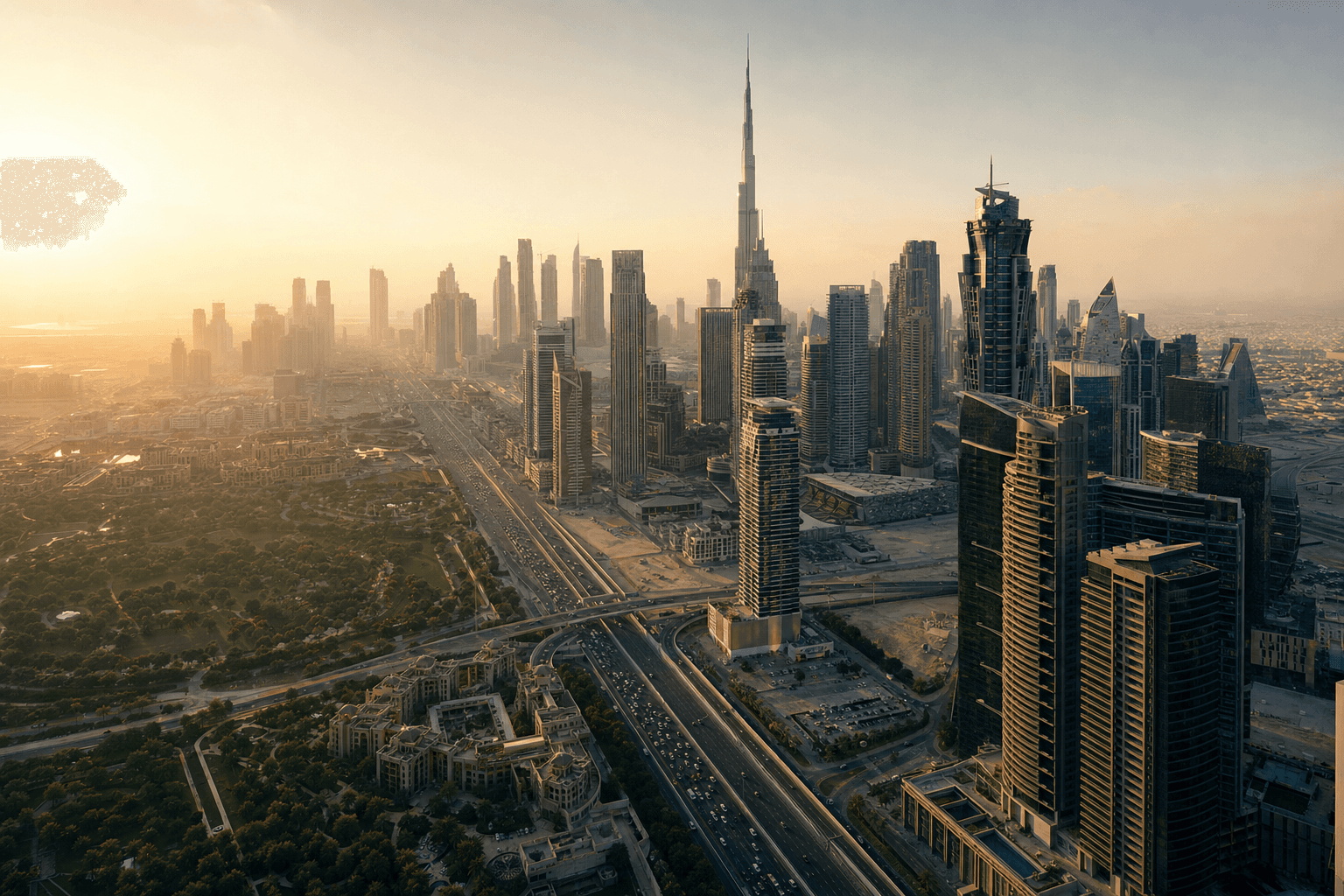
Strategic location. The district sits between Business Bay to the north-west, Al Jaddaf to the south, and the Ras Al Khor wildlife sanctuary to the east. Al Khail Road and Sheikh Zayed Road place it within ten minutes of Downtown and DIFC.
Phase 1 vs Phase 2: A District in Transition
Phase 1 is complete. It comprises around eleven commercial buildings: brand showrooms, creative studios, hotels and restaurants. The environment is dense, pedestrian-friendly and animated by a regular cultural programme.
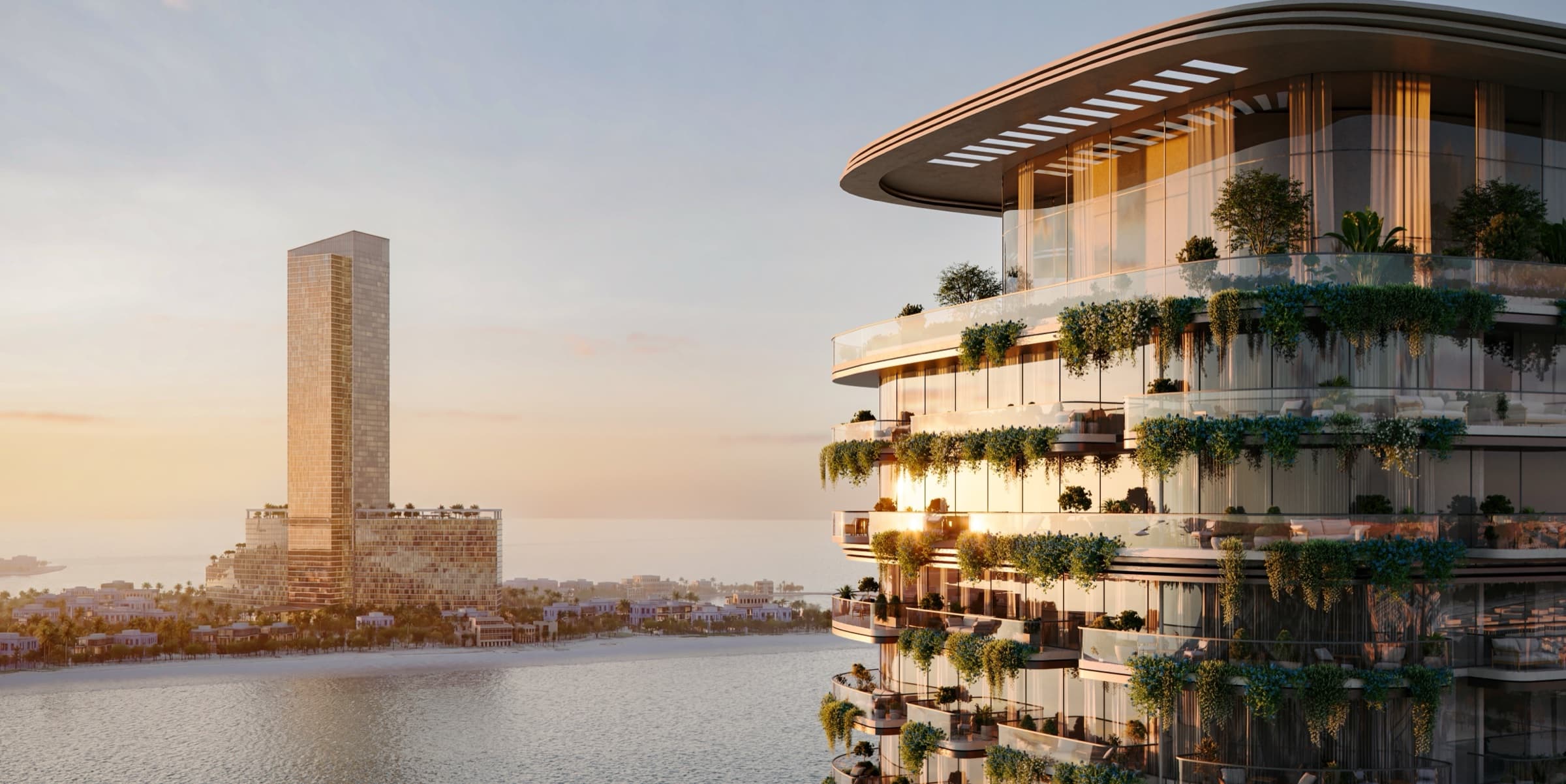
Phase 2 marks a turning point. Since 2024, branded boutique residential buildings have been rising within the perimeter. In 2026, this residential component remains numerically scarce — the zone is still predominantly commercial.
That scarcity is precisely what underpins the early-entry thesis. Residential supply is still limited. Creative rental demand is structural. Off-plan prices have yet to reflect the maturity premium.
AED 28,000–38,000/sqmd3 off-plan price in 2026 · DLD / REIDIN 2026What Is Being Built Around d3 — and How Does It Affect Value?
The immediate d3 area is one of the few Dubai districts where urban planning, infrastructure and captive rental demand converge at the same time. This triple effect supports structural value appreciation that Business Bay comparables have yet to fully reflect.
Master Plan and Canal Waterfront
d3 Phase 2 targets residential densification on plots along the Dubai Canal, with a continuous pedestrian extension towards Business Bay. Meraas, Omniyat, Select Group and Sobha are already active on these waterfront stretches. Further north, MAG is developing Keturah Reserve in neighbouring Meydan, and Ellington continues multiple launches in Business Bay — projects that raise the urban quality of the area without competing directly with d3 stock.
Transport and Services
Business Bay Metro Station (Red Line) is under ten minutes on foot. The Al Khail corridor offers fast connections north and south. The Blue Line, scheduled for 2029, runs along a route north of d3 — strengthening medium-term accessibility. Service infrastructure is already dense: an international school, clinics, SLS and Radisson RED hotels, and a steadily growing F&B offering.
Off-Plan Pipeline to Watch
The off-plan pipeline remains limited — which is exactly what supports prices. Scarce residential stock combined with captive rental demand from creative businesses employing staff on-site produces an estimated rental premium of 8–12% over Business Bay comparables for equivalent floor areas.
+8–12%Estimated rental premium vs Business Bay · REIDIN / Property Monitor Projection 2026For investors tracking off-plan projects from our partner developers, this kind of supply/demand imbalance is precisely what justifies early positioning. Transaction data is available directly on the Dubai Land Department open-data portal.
How Much Does d3 Cost per sqm vs Business Bay and DIFC?
In 2026, d3 is meaningfully cheaper than its immediate neighbours — while offering comparable branded finishes. That is the core arbitrage the zone presents to investors seeking exposure to the design-lifestyle segment without paying the DIFC or Downtown premium.
The table below positions d3 within its immediate competitive landscape.
| Area | 2026 Range (AED/sqm) | Note |
|---|---|---|
| d3 off-plan | 28,000 – 38,000 | Studios & 1BR branded; ticket often < AED 1.5M |
| Business Bay new-build | 32,000 – 45,000 | Up to 60,000+ on signature canal-front |
| Downtown / Burj area | 40,000 – 55,000 | Established towers, location premium |
| DIFC secondary | 45,000 – 70,000 | 80,000+ on ultra-luxury |
The arbitrage is clear. For a budget of AED 1.2M–1.5M, d3 provides access to a studio in a signed design building. The same budget buys a commoditised asset in Business Bay — or simply falls short at DIFC. This is exactly the kind of repositioning our advisors work through before any acquisition decision.
< AED 1.5Md3 branded studio entry ticket · DLD Transactions 2026What Tenant Profile and Yield Should You Target?
The typical d3 tenant is an expat professional aged 28–45, working in fashion, design, tech or media. Monthly income ranges from AED 25,000 to AED 60,000. They want to live within walking distance of their workplace, in an architectural environment that reflects their professional world.
Long-Term Rental: Stability and Solid Yield
Observed rents at d3 range from AED 90,000–140,000/year on studios and AED 130,000–190,000/year on 1BRs. Gross long-term yield comes in at 6–7% in 2026.
This format suits investors who prioritise cash-flow visibility and low management overhead. The tenant profile is loyal: low turnover, annual cheque payments, minimal vacancy.
Short-Term Rental: High ADRs, Costs to Factor In
8–10%Gross Airbnb yield (d3, peak season) · Dubai DET 2026As a DTCM-licensed holiday home, ADRs reach AED 700–1,100 in peak season, with occupancy of 70–80%. Gross yield rises to 8–10%, but costs absorb a meaningful share: service charges of AED 18–25/sqft/year, a DTCM licence of around AED 1,500, and management fees of 15–20% of gross revenue.
The right strategy depends on the specific unit, floor and size. The net yield calculator lets you run the numbers for your exact scenario in minutes.
Why d3 in 2026: The Investment Thesis
Dubai Design District is not a conventional residential zone. That is precisely what makes it a structurally defensible investment case.
Supply is scarce by design. Fewer than 2,000 residential units are projected at d3, versus more than 40,000 in Business Bay. This supply constraint is embedded in the master plan — not in a market cycle. It supports resale prices and sustains upward pressure on rents.
Rental demand is captive. Chanel, Louis Vuitton, Adidas MENA and dozens of creative studios are already on-site. Their employees want to live within walking distance. This tenant base is not speculative — it is contractual.
A real estate investment of AED 2M triggers eligibility for the 10-year Golden Visa. At d3, that threshold is reachable across two off-plan units.
The tax framework reinforces the case: 0% on rental income and capital gains, AED pegged to the USD, free capital repatriation. For an investor based in France, Belgium, Canada or Israel, the structure remains fully intact.
−15% to −25%d3 off-plan price vs Business Bay · DLD / REIDIN 2026The core arbitrage comes down to this: off-plan d3 to capture upside at handover, or Business Bay secondary for immediate cash flow at 6–7%. That is exactly the kind of choice we structure project by project — according to each client's tax profile and time horizon — through our projects and our services.
Further Reading
Three complementary reads from the Level8 journal:
- Etihad Rail Al Yalayis Station: The Rail Stop Reshaping South Dubai — The Etihad Rail Al Yalayis station opens 30 September 2026, two months ahead of schedule. What it concretely changes for investors in south-west Dubai.
- Lulu Island Abu Dhabi: Eagle Hills Awakens 400 Dormant Hectares — Eagle Hills launches the development of Lulu Island, 400 ha facing Abu Dhabi's Corniche. What it means for investors in 2026.
- Abu Dhabi Livability by Design: The New Mandatory Filter for Master Plans — Abu Dhabi makes a quality-of-life filter mandatory for its master plans. Direct impact on off-plan project values and premium rental yields.
FAQ
What rental yield can you realistically expect at d3 in 2026?
Well-positioned studios and 1BRs show estimated gross yields of 6–7% on long-term rentals. Under a DTCM short-term licence, observed ADRs of AED 700–1,100 in peak season push yields to 8–10% at 70–80% occupancy. Both figures outperform Business Bay averages on comparable floor areas, driven by the captive demand from creative industries based within the zone.
How does d3 compare to DIFC and Business Bay on price per sqm?
In 2026, off-plan prices at d3 range from AED 28,000 to AED 38,000/sqm, versus AED 32,000–45,000/sqm in Business Bay and AED 45,000–70,000/sqm at DIFC — a 15–25% gap in d3's favour on new builds (source: DLD / REIDIN 2026). Branded finishes are comparable, making d3 a more capital-efficient entry point for design-lifestyle positioning.
Does an investment at d3 qualify for the UAE Golden Visa?
Yes. A real estate investment of at least AED 2M in UAE property — including at d3 — qualifies for the 10-year Golden Visa, in line with UAE Federal Authority for Identity and Citizenship rules (u.ae). The visa covers the holder, their spouse and dependent children, with no minimum residency requirement, and has no equivalent in comparable European markets.
What tax applies to rental income earned at d3 for a French or Belgian resident?
The UAE levies no tax on rental income or capital gains. For a French tax resident, the 1989 France–UAE tax treaty generally provides for taxation in the source state — i.e. the UAE — which may result in effective exemption in France, subject to conditions. Belgian and Canadian residents should check the provisions of their own country's tax treaty with the UAE. Dedicated tax advice is essential before signing.
How do payment plans work on an off-plan project at d3?
Off-plan projects at d3 typically offer 60/40 or 70/30 plans: 60–70% of payments spread across the construction period, with the balance due at handover. Funds paid by buyers are held in an escrow account regulated by the Dubai Land Department (DLD), ensuring they are used exclusively for the relevant project. This mechanism is governed by Escrow Law No. 8 of 2007.
What is the difference between buying off-plan and buying a ready-to-rent property at d3?
Off-plan at d3 offers an entry price 15–25% below delivered new-build prices, a staggered payment plan, and capital gain potential at handover if the market advances — as it did in Business Bay and Downtown between 2022 and 2026. A ready property generates immediate rental income but is purchased at a price the market has already priced in. For a five-year-plus horizon, off-plan typically delivers superior total returns — provided you select a solid developer with an active DLD escrow account.